Content:
- The main risks of air pollution in intensive care units.
- How HEPA filters work in medical settings.
- Filtration solutions for intensive care units from Selton.
Resuscitation units and intensive care wards are classified as “clean” rooms. Therefore, special conditions apply to their equipment. Among other things, this applies to the level of contamination in the interior. To comply with current standards, it is important to install modern air filtration systems.
The main risks of air pollution in intensive care units
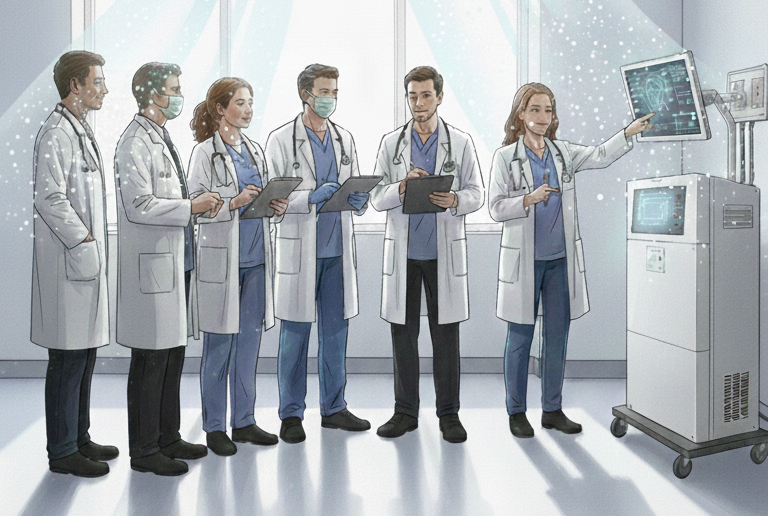
The increased requirements for air quality in “clean” rooms are primarily due to concern for patients. People with various complications are treated in resuscitation wards and intensive care units. They are often literally fighting for their lives. A weakened body has difficulty fighting off foreign viruses and bacteria that can cause additional harm. Air filtration for resuscitation must also ensure:
- sterile conditions;
- protection of medical staff and other patients from infections;
- the creation of safe working conditions and a “clean” environment;
- prevention of the spread of pollutants;
- compliance with applicable standards and regulations.
Modern air purification systems in intensive care and resuscitation wards must ensure the almost complete removal of potential pathogens, solid inclusions, allergens, etc. It is also important to maintain optimal temperature and humidity levels in “clean” rooms. This should be taken into account when designing ventilation systems.
How HEPA filters work in medical settings
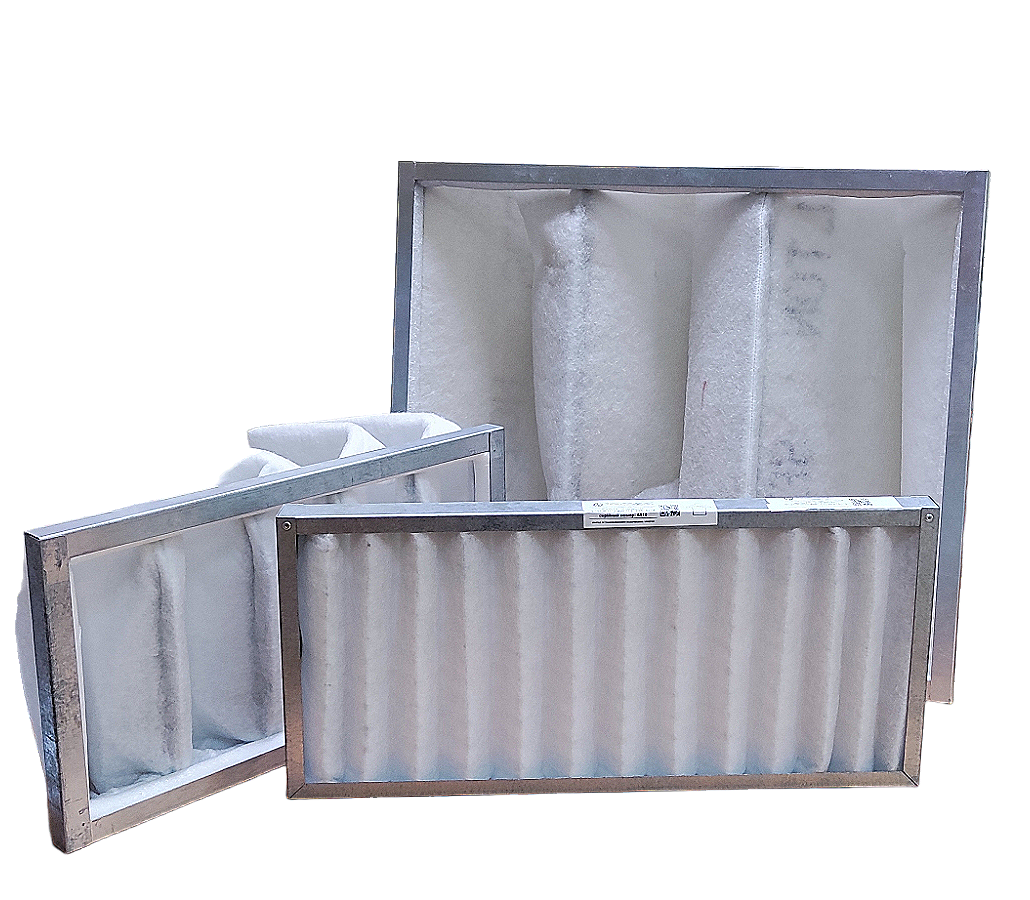
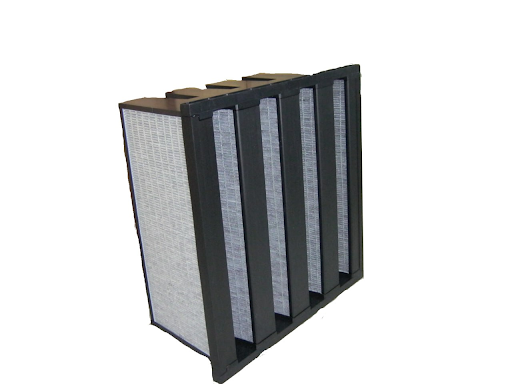
To create a safe environment for medical staff and patients, a multi-stage purification system must be provided. The air flow passes through filters of different classes. First, coarse and fine purification is carried out. This captures solid particles of relatively large and medium sizes. The final stage is ultra-fine purification. Modern HEPA filters are used for this. Their design includes a fibrous material that is folded into an accordion or wave shape to increase the useful working area. Its structure and characteristics allow it to trap particles as small as 0.3 microns. These include most bacteria and allergens. The efficiency of the purification system exceeds 99.995%. Such a high degree of filtration is achieved through three mechanisms:
- interception. Passing in close proximity to the fibers of the filter material, particles of contaminants attach themselves to them or to other contaminants;
- diffusion. Allows small particles to be captured. Due to chaotic Brownian motion, they collide with each other, hit the fibers of the material, and remain on it;
- inertia. Characteristic of fairly large particles. They cannot bypass obstacles and remain on them when they collide directly.
Filtration solutions for intensive care units from Selton
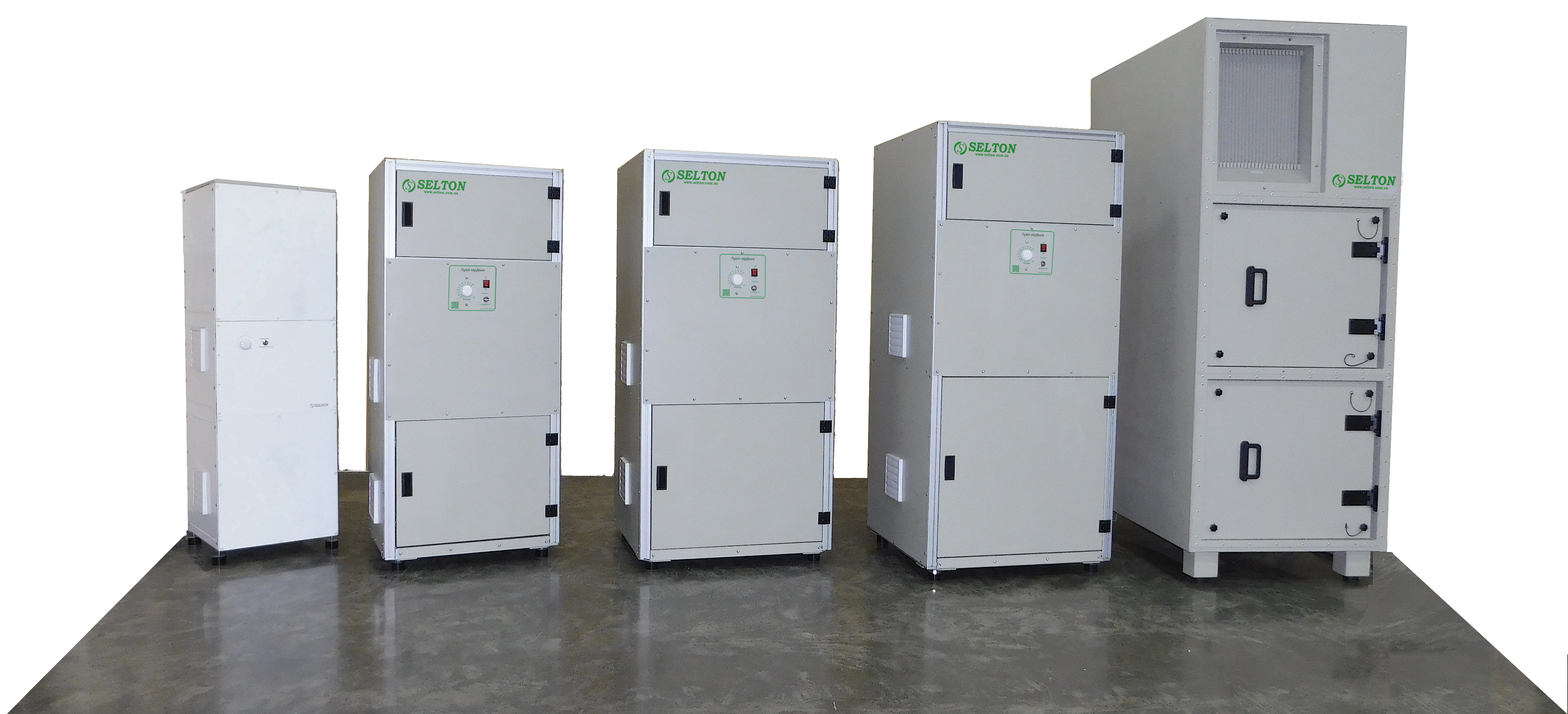
Our manufacturing company, Selton, develops and manufactures medical air purification systems using modern technologies and high-quality materials. The equipment meets current requirements and applicable state standards. We can develop and implement customized projects. In this case, the filtration system will fully meet the customer’s requirements. The main advantages of our equipment include:
- high quality indicators, confirmed by an official warranty;
- freely available consumables;
- comprehensive consulting support from the manufacturer;
- favorable purchase terms;
- ease of use and maintenance.
To be sure of compliance with state building standards and high air quality in resuscitation wards and intensive care units, trust the expertise of our company, Selton.