Content:
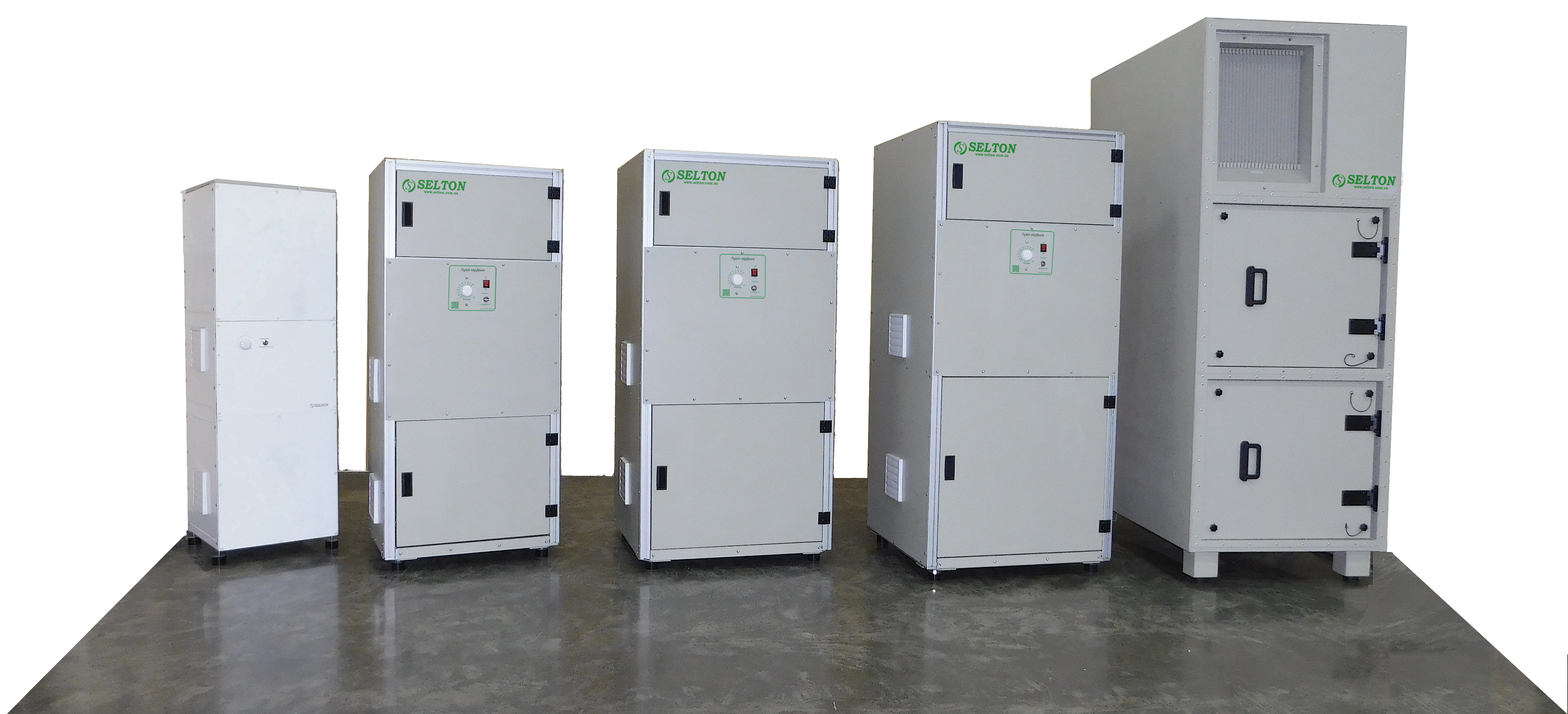
Ensuring environmental compliance is an important part of any business’s operations. This is necessary to reduce the negative impact on the environment and to avoid penalties from regulatory authorities. Industrial filters are often used for high-quality purification of gas emissions into the atmosphere. Moreover, they are selected taking into account the specifics of production and existing contaminants.

Tasks of air purification systems at industrial facilities
High-quality air purification in production can solve a number of issues. The main ones include:
- Maintaining sanitary and hygienic standards in the workplace. Removal of excess pollutants in production facilities;
- preserving the health of employees;
- cleaning flue gases and emissions to comply with permissible concentrations of pollutants;
- Reduced wear and tear on equipment working elements due to dedusting and reduced pollution;
- maintaining an optimal microclimate in the shop;
- Savings on equipment maintenance. Dirt and dust have a negative impact on equipment, especially moving parts, and will require more frequent attention, maintenance, or replacement.
A universal and common way to clean the air in production
One of the most versatile and popular methods of cleaning industrial gases is filtration or filtration. In this case, a stream of contaminated air is passed through special industrial filters. Thanks to porous partitions, they remove contaminants from the total volume. After passing through the purification equipment, the air characteristics improve. The filling and design of an industrial filter is aimed at capturing components whose content is strictly regulated. Most often, solid particles of various fractions are removed in this way. Special units can be used to purify the air from unpleasant odors and harmful gases.
Other advantages of using filter systems include:
- versatility. Different types of filters can be used in the production of industrial and food products, in pharmacology, the agricultural sector, etc;
- the ability to achieve significant air purification quality;
- ease of operation and maintenance of air purification systems;
- budgetary constraints.
Types of filters by their capture capacity
Various air filters for production are created using modern porous materials. They are able to freely pass air and capture dust and contaminants of a certain size. This principle is the basis of their trapping capacity. Industrial filters are distinguished by this indicator:
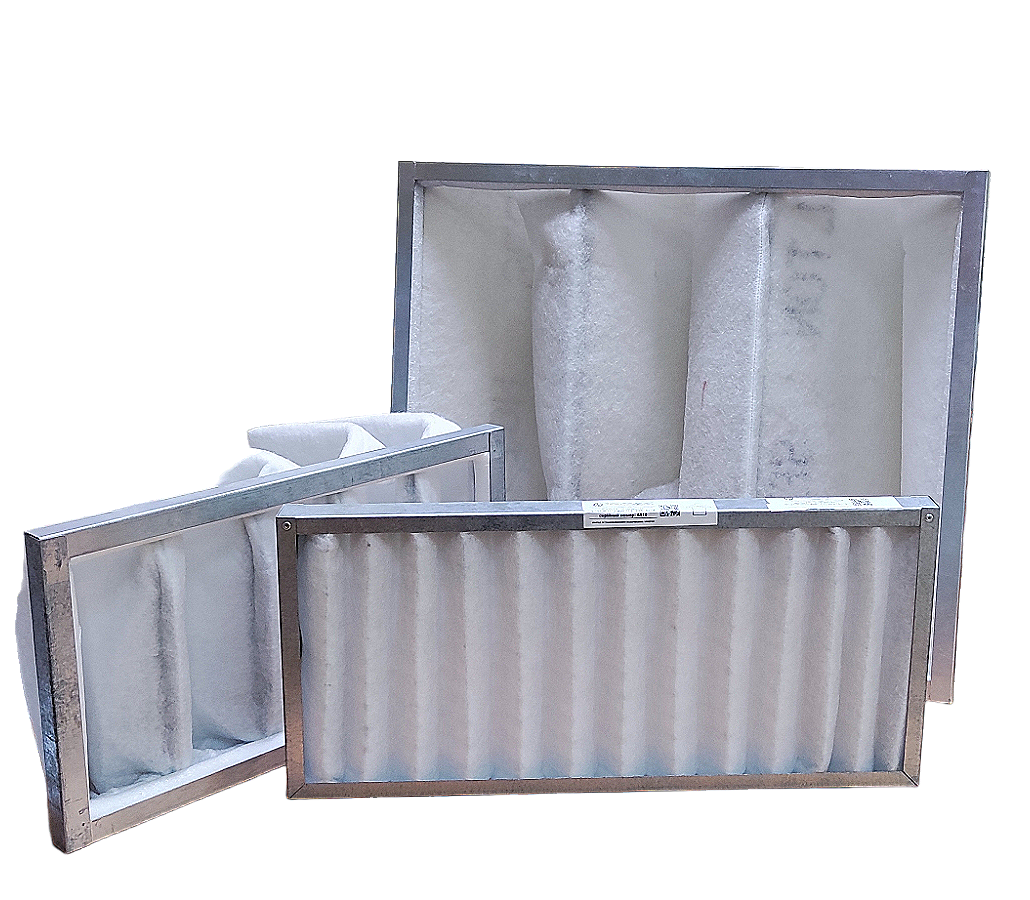
- Coarse filters (filters with cleaning class G1, G2, G3, G4). They remove only relatively large (10 microns and above) particles from the flow. They are most often used as the first stage of purification. They are able to retain fat particles in the steam-air mixture, coal or cement dust, fluff of plant or animal origin, textile fibers, etc;
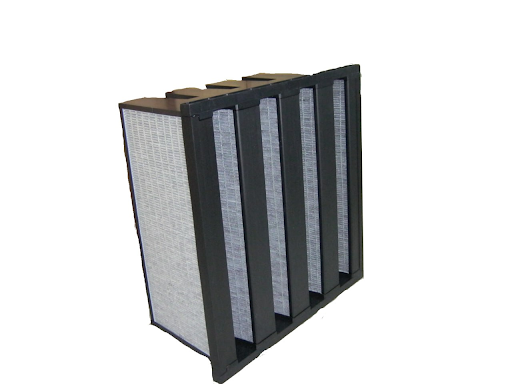
- Fine filters (filters with cleaning class F5, F6, F7, F8, F9). Particles with a size of 1-2 microns are retained on the membranes. They are used to remove flour and similar dust, welding fumes, fog formed by suspended particles of alkalis, oils and polymer paints, and other chemical aerosols;
- Ultra-fine purification (filters with purification class H10, H11, H12, H13, H14). HEPA filtration elements are capable of almost completely capturing particles larger than 0.3 microns. They are used to create “clean” rooms.
The importance of changing filters
As already mentioned, filters for production are made on the basis of porous, membrane materials. During operation, a layer of contaminants settles on them. This leads to a decrease in throughput, and thus in the quality of filtration. Accordingly, the system will operate less efficiently. In such cases, it is necessary to restore (if allowed by the manufacturer of the treatment equipment) or replace the filter element.
As a rule, the frequency of installing new filters is regulated. It is recommended to do this at least once every six months to a year. However, in the case of high dust content and intensive operation of the equipment, replacement may be more frequent. Such a need can be identified empirically by measuring the quality of the filtered air or pressure (it should not be allowed to fall below the value specified in the equipment passport).
High-quality filters of various types are offered in Ukraine by the Selton manufacturing plant. Models suitable for coarse or fine purification of industrial gases are available. If necessary, the company’s managers will help with the choice.