Content:
- What are cleanrooms?.
- Why Clean Rooms Are Essential for Laboratories.
- Key components of cleanroom ventilation systems.
- Filtration solutions for laboratory centers from Selton.
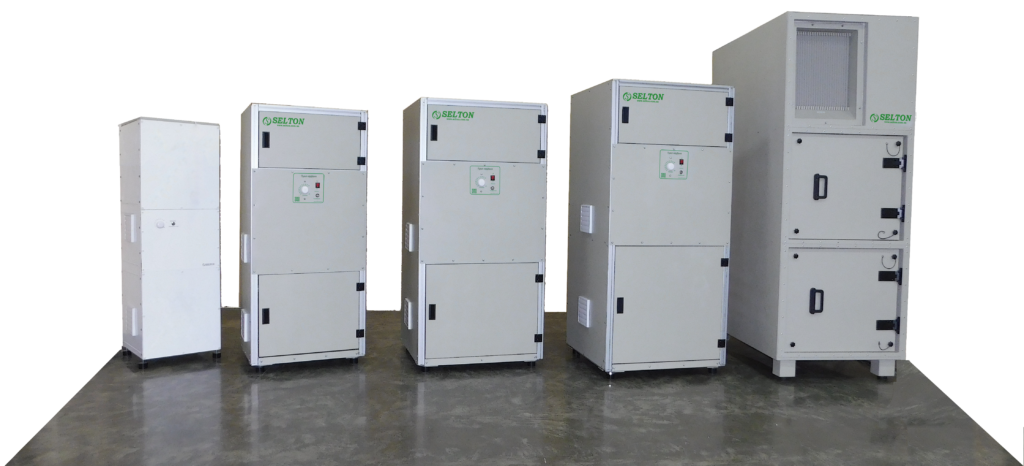
Conducting laboratory and diagnostic tests often requires the creation of special conditions. In particular, strict requirements are imposed on the quality of the air supplied to cleanrooms. The specialized filtration equipment used in research and laboratory centers is designed and manufactured by the Ukrainian company “Selton”.

What are cleanrooms?
Cleanrooms are facilities in which a specific microclimate is maintained. First and foremost, contamination levels are strictly controlled. Maximum permissible limits are established for particulate matter, aerosols, and biological contaminants. Depending on the permissible concentration, cleanrooms are classified into different types and classes. Humidity and temperature levels can also be controlled in these rooms. Such rooms are often found in medical facilities, pharmaceutical companies, and other facilities where the outcome depends on the absence of external factors and contaminants. Particular attention is paid to purification systems, and mandatory air filtration is required.
Why Clean Rooms Are Essential for Laboratories
The importance of establishing cleanrooms in diagnostic and laboratory centers stems from their specific nature. Such facilities must comply with strict international standards and sanitary regulations. Only then will their results be recognized.
The primary reasons for the need to establish cleanrooms in laboratories include the requirement for:
- maintaining sterility. This is particularly important for facilities in the medical, pharmaceutical, and biological sectors. The safety of employees and patients may depend on this. Depending on the laboratory’s area of activity, foreign substances from the air can contaminate samples and lead to false conclusions, negatively impacting employee health;
- obtaining accurate results. This applies to both research and diagnostic settings. The presence of dust microparticles, chemical, or biological components in the air can negatively affect the accuracy of results;
- protection of equipment. High-precision research and analytical instruments can be sensitive to the effects of contaminated air, elevated dust concentrations, and similar factors.
Key components of cleanroom ventilation systems
As a rule, cleanrooms are equipped with their own independent supply and exhaust ventilation system. To ensure the required level of air purification from dust, bacteria, and viruses, filters of various classes are used:
- pre-filters. These are necessary for pre-filtering air drawn from outside. Their main task is to trap the largest contaminant particles. In doing so, they help extend the service life of other filters;
- fine filtration. Such filters are capable of trapping particles as small as 1 μm. They trap fine dust, plant pollen, and other particles.
ultra-fine filtration. Modern HEPA filters designed for laboratories are used for this purpose. Their structure and materials are capable of effectively capturing the finest particles (as small as 0.3 microns). Moreover, the filtration efficiency reaches 99.995%.
Filtration solutions for laboratory centers from Selton
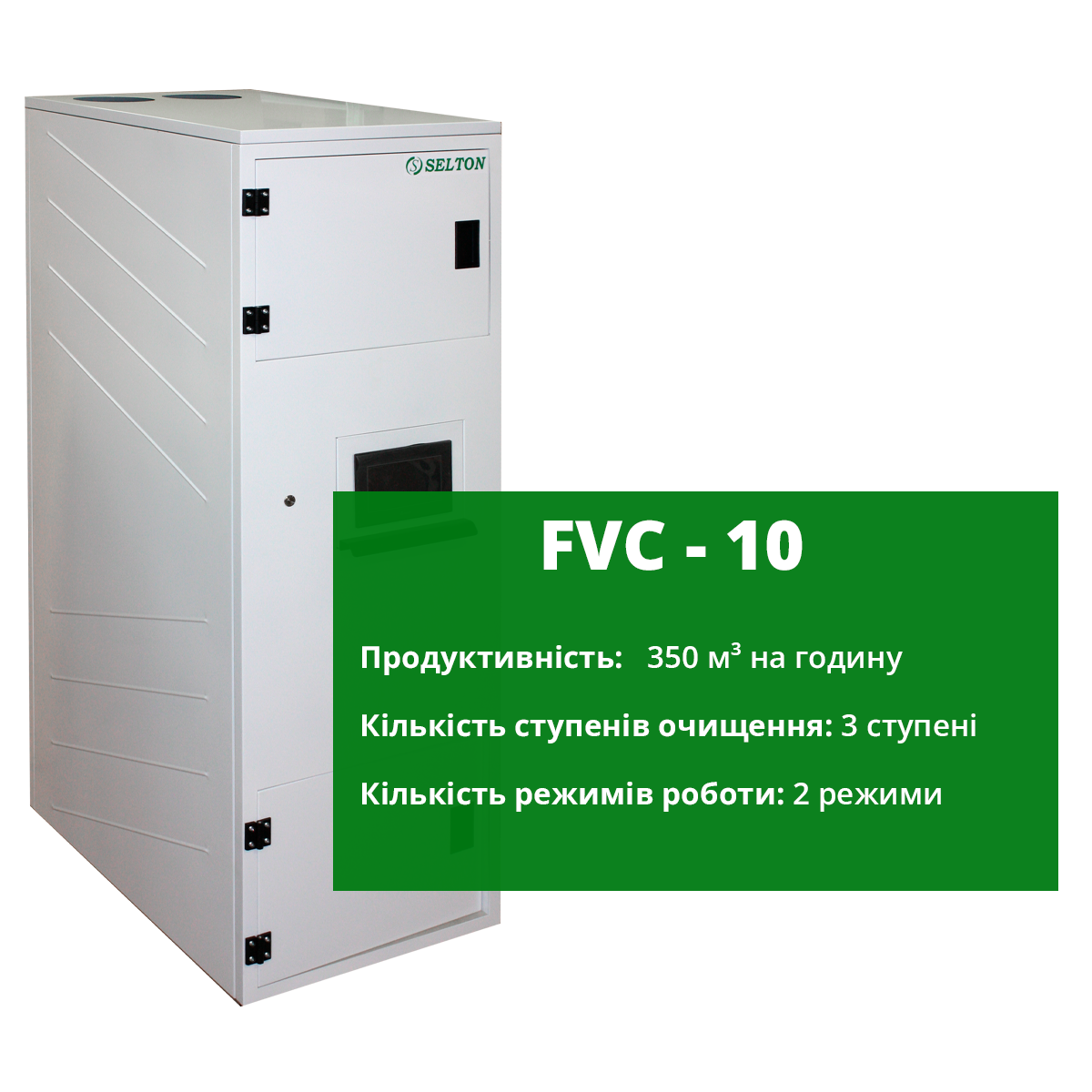
Our company, Selton, designs and manufactures state-of-the-art air purification systems that meet international standards. Depending on the customer’s needs, we offer individual components or comprehensive solutions, including those for diagnostic and laboratory centers. We can also develop custom models that fully meet the customer’s requirements. We guarantee high-quality and efficient filtration, ease of use and maintenance, and competitive prices.