Content:
- The main sources of air pollution in shelters.
- Danger of contaminated air in shelters.
- Methods of air purification.
- Air purification equipment.
Functional protective structures have become commonplace in our lives. They can save lives and health in critical situations, during bombings, man-made or other disasters. When creating shelters, much attention is paid to air purification in places where people temporarily stay. Let’s see why this is important.

The main sources of air pollution in shelters
If the ventilation system is not properly organized, it can become a source of danger. Depending on the situation, contaminated air masses will enter the room from the environment. They may contain:
- solid particles – dust
- poisonous, toxic gases, smoke;
- biological aerosols, etc.
People in the shelter will also be a source of contamination. As they breathe, they release harmful carbon dioxide into the environment, which poisons the human body in high concentrations.
Danger of contaminated air in shelters
Poor-quality, polluted air in a shelter can adversely affect the condition of people who will be hiding inside. For example, excessive concentrations of carbon dioxide lead to a deterioration in health. People will feel drowsy and weak. They become lethargic. Their performance and concentration also decrease. Loss of consciousness is also possible.
If there are solid particles in the air, it is difficult to breathe. Dust will irritate the airways, leading to coughing fits. It can also cause an exacerbation of asthma or similar respiratory diseases.
Poisonous, war gases and biological contaminants are the most dangerous, as they cannot always be detected by smell or color. Depending on their type, they can impair the functioning of various organs and body systems. In critical doses, they can lead to death.
Methods of air purification
Given the potential harm of pollutants, effective ways to clean the air in shelters are being developed. Most often, they are associated with the design of a reliable ventilation system. The system should include units capable of capturing various harmful substances. These can be
- coarse and fine filters. The former are necessary to remove large enough (more than 10 microns) solid inclusions from the flow. The latter provide purification from particles with a size of 0.3 microns or less (provided that HEPA filters are used) with an efficiency of up to 99.995%;
- absorber filters. They are used to neutralize and retain harmful gases.
To make the air purification system more reliable, regeneration should be provided along with supply ventilation. It will function when it is impossible to perform an outdoor intake. In this mode, the indoor air is purified from carbon dioxide. The air is taken from the room, passes through the regenerative cartridges, and is returned.
Air purification equipment
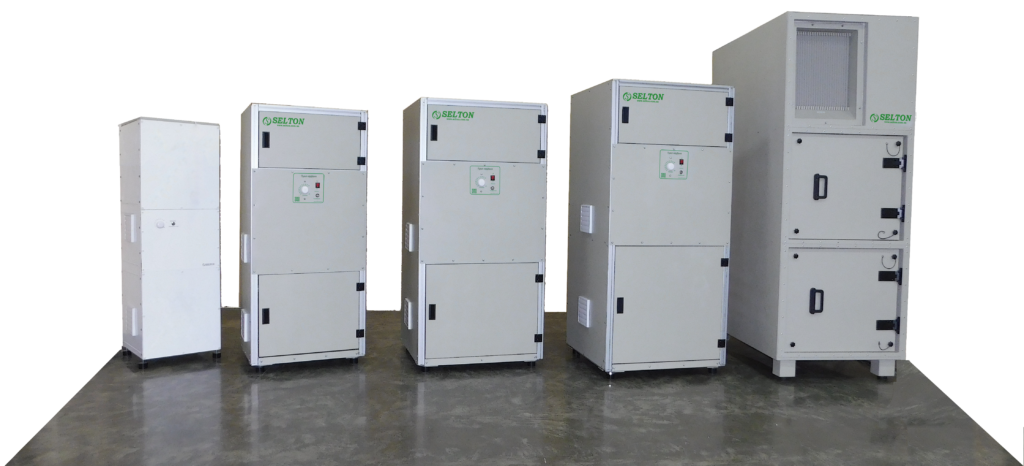
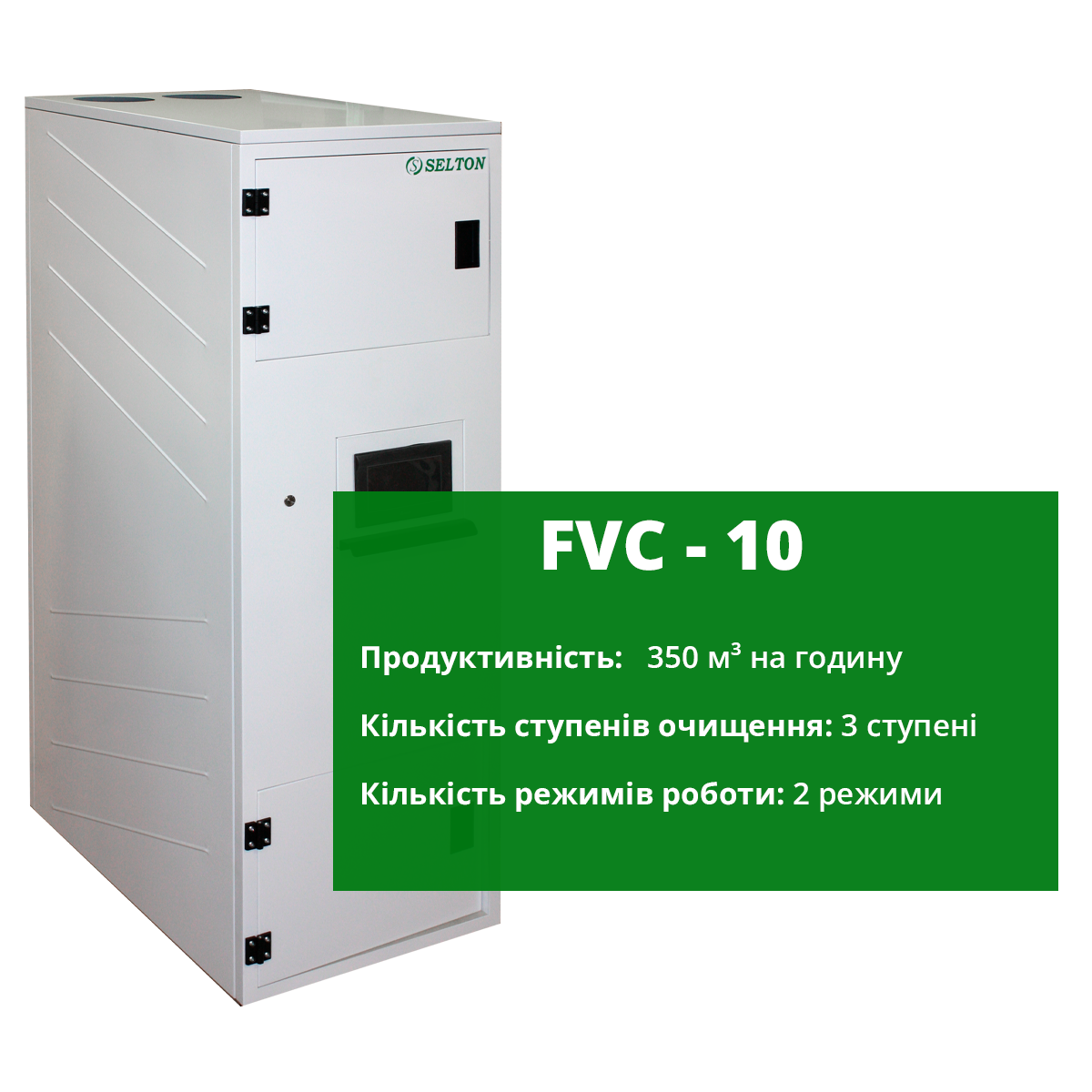
Our company develops and manufactures filter-ventilation complexes and systems designed to serve premises of various capacities: from 5 to 180 people. If necessary, two or more FVCs can be used in parallel. This makes it possible to provide clean air to spacious shelters. Such units have a number of features:
- they can operate in ventilation, filter ventilation and regeneration modes;
- contain different classes of air purification filters, absorbers and regenerator cartridges. This makes it possible to capture smoke and dust (including radioactive dust), biological aerosols, chemical warfare agents, and highly toxic substances;
- operate effectively in a wide range of temperatures;
- can be powered from an external network, a diesel generator of the shelter or an autonomous energy source (UPS, inverter, etc.)
simple operation that does not require special knowledge and skills; - full automation in the “automatic operation” mode. The system monitors the condition and quality of the air inside and outside the shelter and automatically selects the operating mode;
- the presence of a climate module (optional), which is capable of cooling and heating the purified air supplied to the shelter or the shelter.
As you can see, improper organization of the shelter ventilation system can lead to negative consequences. Therefore, this issue should not be neglected. The use of modern filter and ventilation systems from a domestic manufacturer can be the best solution. If necessary, our specialists will provide professional consulting support, help with the selection of equipment, peculiarities of operation and maintenance of the FVU.